
Smart Agriculture IoT System
An Industry 4.0 solution for precision farming using IoT sensors and predictive crop analytics.
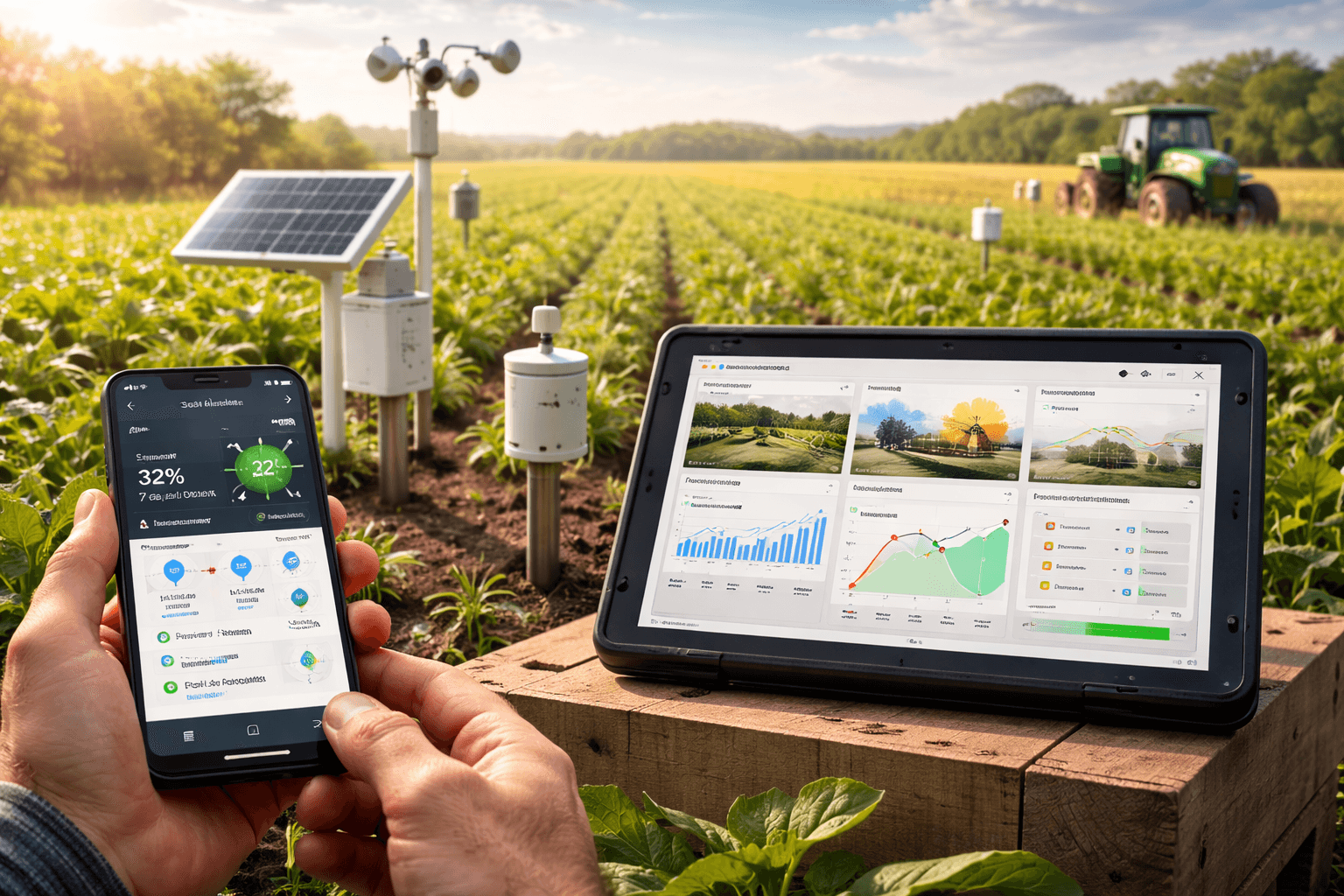
System components & technical blueprint.
Built with fault-tolerant distributed principles to withstand high concurrency and reliable operational workloads.
Frontend & UI
High-speed responsive interfaces built using IoT. Designed with optimistic UI updates and resilient client caching.
Application Core
Microservices architecture powered by Node.js. Implements strict transactional boundaries and asynchronous task queues.
Data & State Store
ACID-compliant storage orchestrated via InfluxDB with indexing strategies designed for sub-millisecond lookups.
Cloud & DevOps
Infrastructure defined as code with automated CI/CD pipelines, container orchestration, and real-time observability telemetry.
The operational challenge and our technical solution.
How we decomposed root operational bottlenecks and translated business friction into high-reliability software.
What the organization was battling before implementation
Farmers faced unpredictable yields and high resource wastage due to a lack of data on soil moisture, nutrient levels, and local micro-climates. Traditional farming methods relied on experience and intuition, leading to over-irrigation, excessive use of fertilizers, and an inability to detect early signs of pest infestations or disease. This resulted in lower crop yields, increased environmental impact from runoff, and reduced profitability for the farmer.
How CodeSelf Infotech designed and deployed the system
We deployed a network of low-power IoT sensors that feed data into a central cloud dashboard. The system uses agronomic models to provide precise irrigation and fertilization recommendations. The sensors, connected via LoRaWAN for long-range, low-power communication, measure soil moisture, temperature, humidity, and nutrient levels. Data is streamed via MQTT to a Node.js backend and stored in InfluxDB, a time-series database. Grafana provides the visualization dashboard for farmers. The system can also integrate with satellite imagery to provide a macro-level view of crop health using NDVI (Normalized Difference Vegetation Index).
Key platform capabilities & modules.
Every feature was designed to minimize operational friction and maximize team throughput.
Real-time Soil & Climate Monitoring from in-field sensors.
Real-time Soil & Climate Monitoring from in-field sensors.
Automated Smart Irrigation Logic
Automated Smart Irrigation Logic that activates valves based on soil moisture thresholds.
Satellite Imagery Crop Health Tracking for large-scale monitoring.
Satellite Imagery Crop Health Tracking for large-scale monitoring.
Predictive Pest & Disease Alerts based on weather and crop growth stage.
Predictive Pest & Disease Alerts based on weather and crop growth stage.
Yield Forecasting & Resource Tracking for financial planning.
Yield Forecasting & Resource Tracking for financial planning.
Mobile-first interface for farmers to access data from the field.
Mobile-first interface for farmers to access data from the field.
Historical data analysis to optimize farming practices year-over-year.
Historical data analysis to optimize farming practices year-over-year.
30% Water Savings
Measurable Operational Improvement
Long-Term Value & Production Reliability
Reduced water usage by 30% and increased overall crop yield by 15% through data-driven precision farming, directly increasing the farmer's bottom line. The system helped farmers reduce fertilizer costs by 20% by applying nutrients only when and where needed. Early pest detection alerts prevented crop losses valued at over $500,000 across the pilot area. The platform's data also helped farmers secure better crop insurance rates by providing verifiable proof of farm management practices.
Questions about this architecture & delivery
Explore other delivered platforms

Enterprise Project Orchestrator
A unified workspace for managing high-scale software projects, resources, and cross-functional teams.
AI Marketing Automation
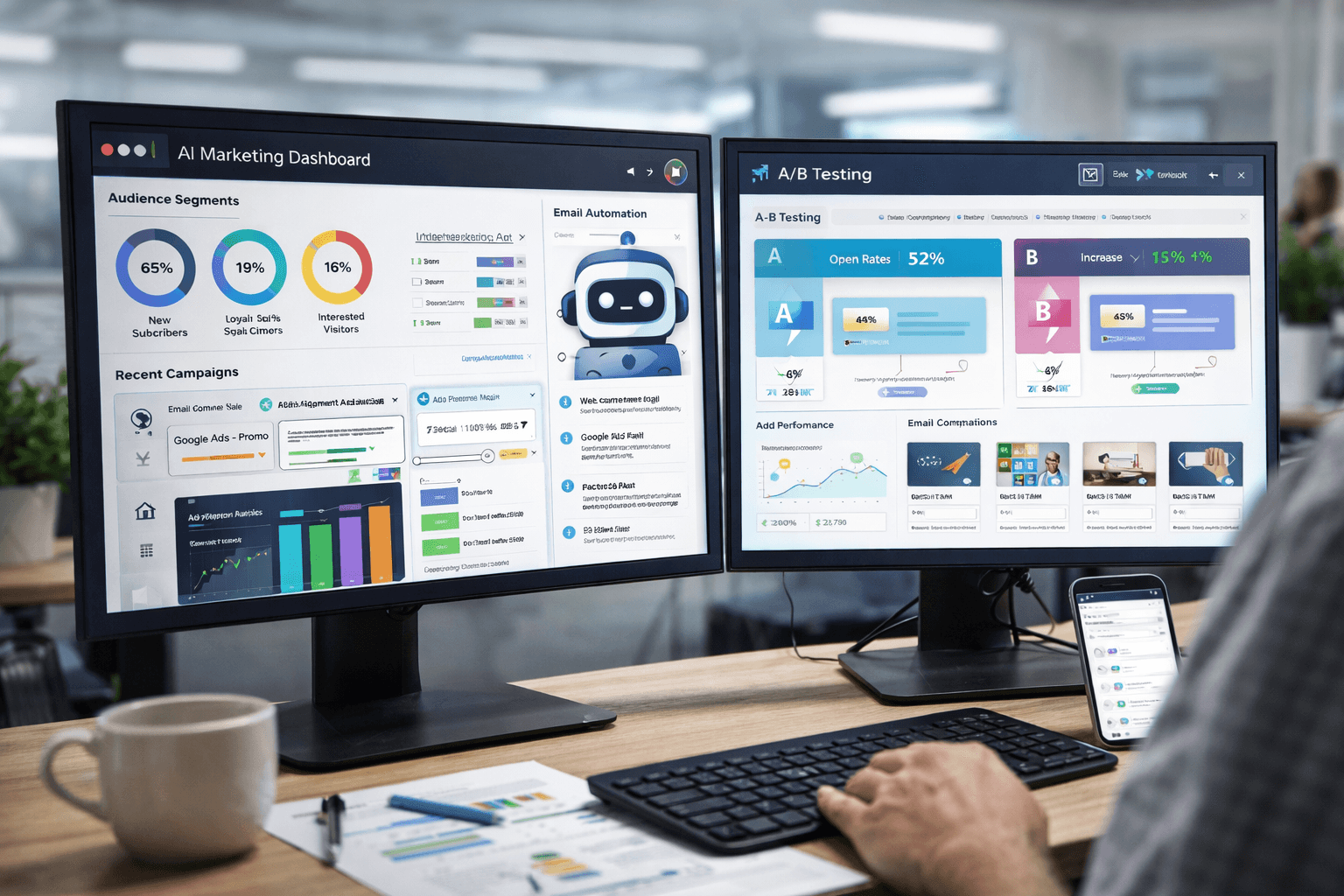
A behavioral intelligence platform designed to automate hyper-personalized marketing campaigns at scale.
NextGen Learning Management
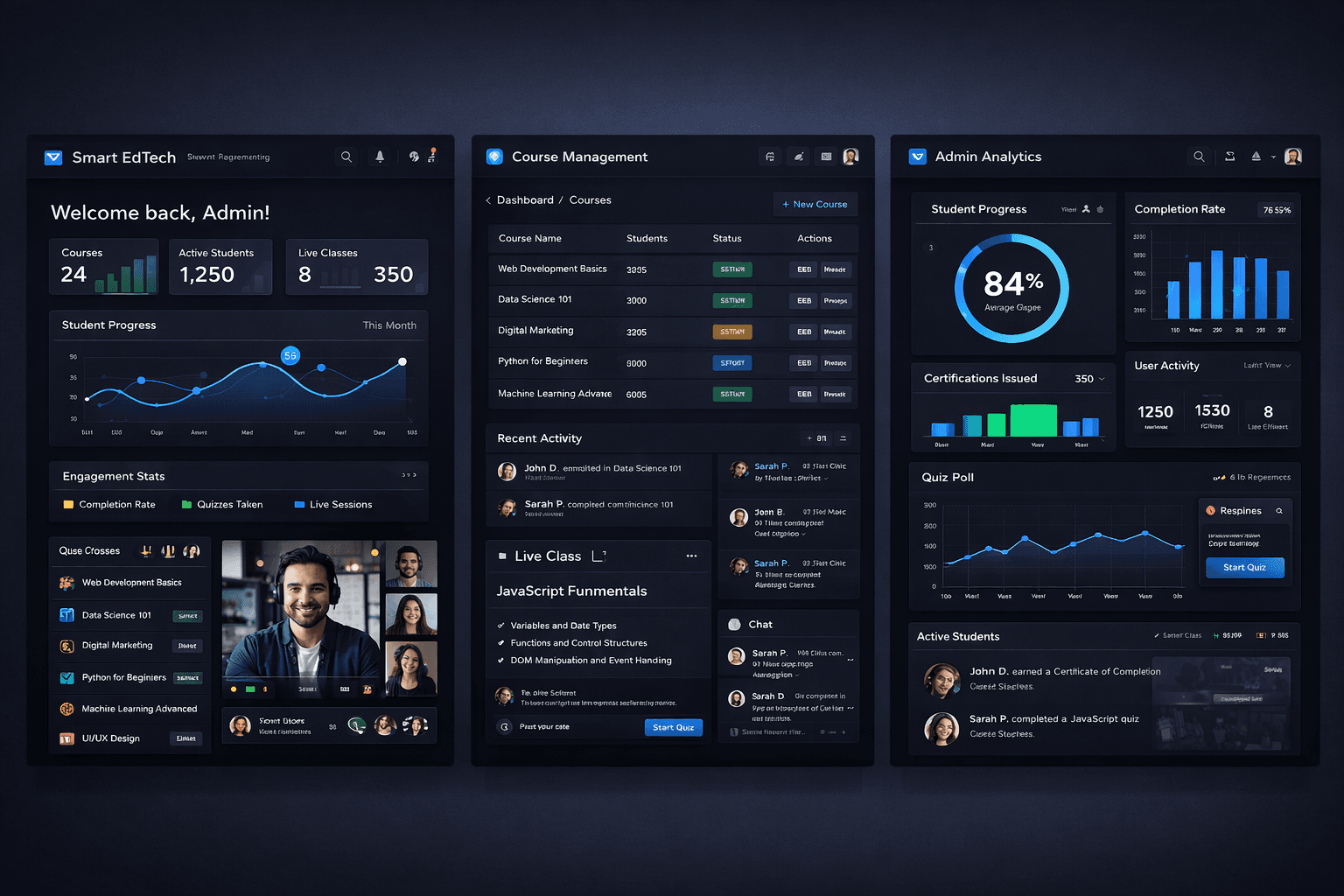
An interactive, analytics-heavy LMS designed for corporate training and higher education.