AI Student Performance Analytics
A data-driven educational intelligence platform designed to predict academic outcomes and personalize learning paths.

System components & technical blueprint.
Built with fault-tolerant distributed principles to withstand high concurrency and reliable operational workloads.
Frontend & UI
High-speed responsive interfaces built using React. Designed with optimistic UI updates and resilient client caching.
Application Core
Microservices architecture powered by Python. Implements strict transactional boundaries and asynchronous task queues.
Data & State Store
ACID-compliant storage orchestrated via PostgreSQL with indexing strategies designed for sub-millisecond lookups.
Cloud & DevOps
Infrastructure defined as code with automated CI/CD pipelines, container orchestration, and real-time observability telemetry.
The operational challenge and our technical solution.
How we decomposed root operational bottlenecks and translated business friction into high-reliability software.
What the organization was battling before implementation
Educational institutions were reactive rather than proactive, often identifying struggling students only after academic failure occurred, resulting in high dropout rates and poor institutional rankings. Educators lacked a holistic view of student engagement, relying solely on test scores, which often failed to capture issues like disengagement or learning disabilities early enough for effective intervention. This reactive approach also hindered personalized learning, treating all students with a one-size-fits-all curriculum.
How CodeSelf Infotech designed and deployed the system
We built a predictive analytics engine that aggregates attendance, engagement metrics, and historical grades from the institution's Learning Management System (LMS). Using machine learning, the system identifies 'at-risk' patterns weeks before exams, enabling early faculty intervention. The platform includes a recommendation engine that suggests personalized learning resources and pathways based on individual student's strengths and weaknesses. It was designed with a strong emphasis on data privacy and compliance with educational regulations like FERPA, ensuring student data is protected.
Key platform capabilities & modules.
Every feature was designed to minimize operational friction and maximize team throughput.
Predictive Student Success Scoring
Predictive Student Success Scoring using ensemble machine learning models.
Automated Behavioral Intervention Alerts for faculty and academic advisors.
Automated Behavioral Intervention Alerts for faculty and academic advisors.
Faculty & Parent Intelligence Dashboards
Faculty & Parent Intelligence Dashboards with drill-down capabilities.
Longitudinal Learning Curve Analysis to track progress over multiple semesters.
Longitudinal Learning Curve Analysis to track progress over multiple semesters.
Customizable Academic KPI Reporting for accreditation and administration.
Customizable Academic KPI Reporting for accreditation and administration.
Personalized learning resource recommendation engine based on performance gaps.
Personalized learning resource recommendation engine based on performance gaps.
Early warning system for disengagement based on LMS activity patterns.
Early warning system for disengagement based on LMS activity patterns.
30% Success Rate Boost
Measurable Operational Improvement
Long-Term Value & Production Reliability
Institutions reported a 30% improvement in overall student success rates and a significant decrease in semester-on-semester dropout figures through targeted academic support. The platform enabled faculty to proactively engage with over 2,000 at-risk students annually, providing timely tutoring and resources. This led to a 15% increase in overall student retention and a marked improvement in the institution's graduation rate, positively impacting its university ranking.
Questions about this architecture & delivery
Explore other delivered platforms
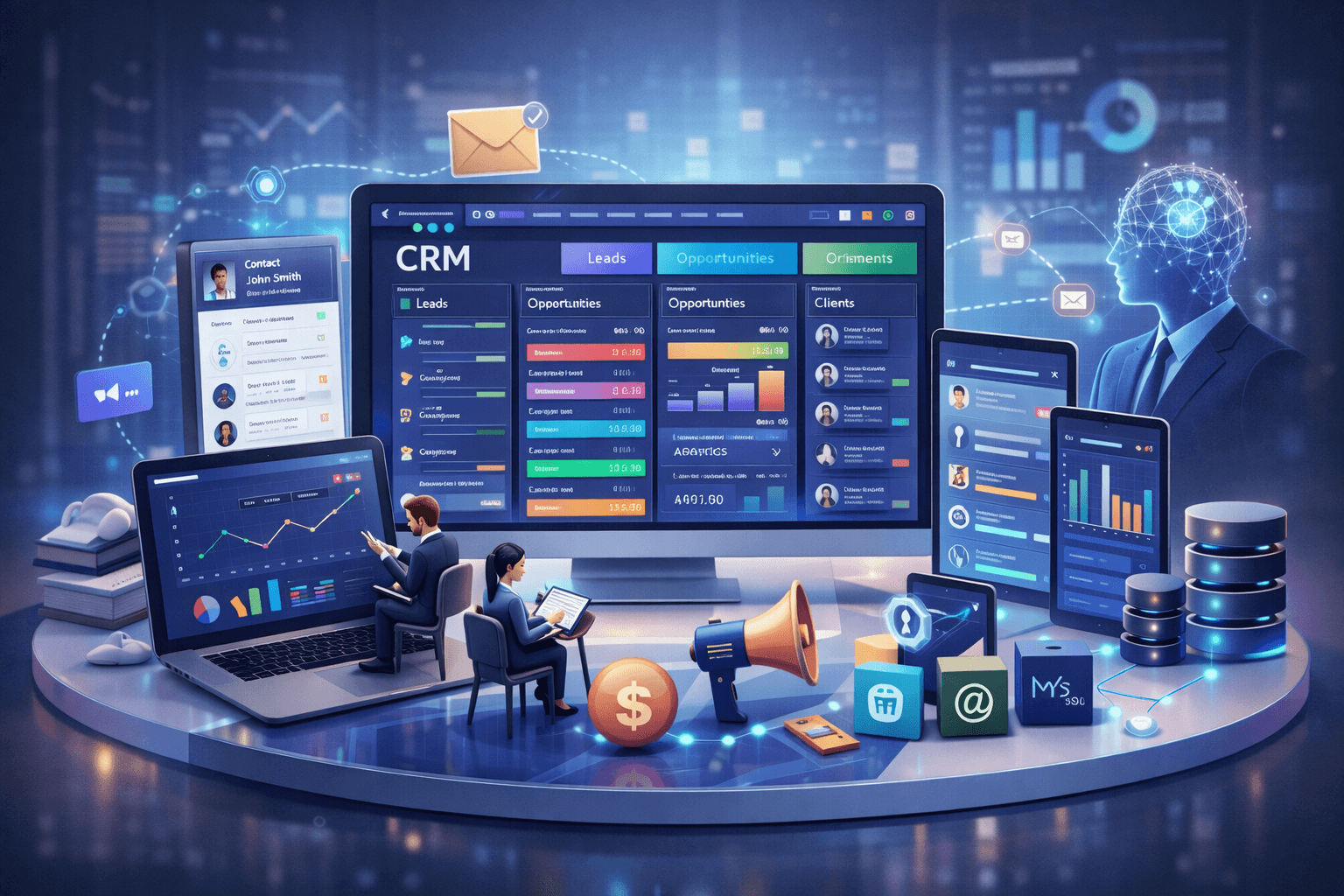
Enterprise CRM Platform
A sophisticated sales orchestration engine designed to automate the lead-to-revenue lifecycle for B2B enterprises.
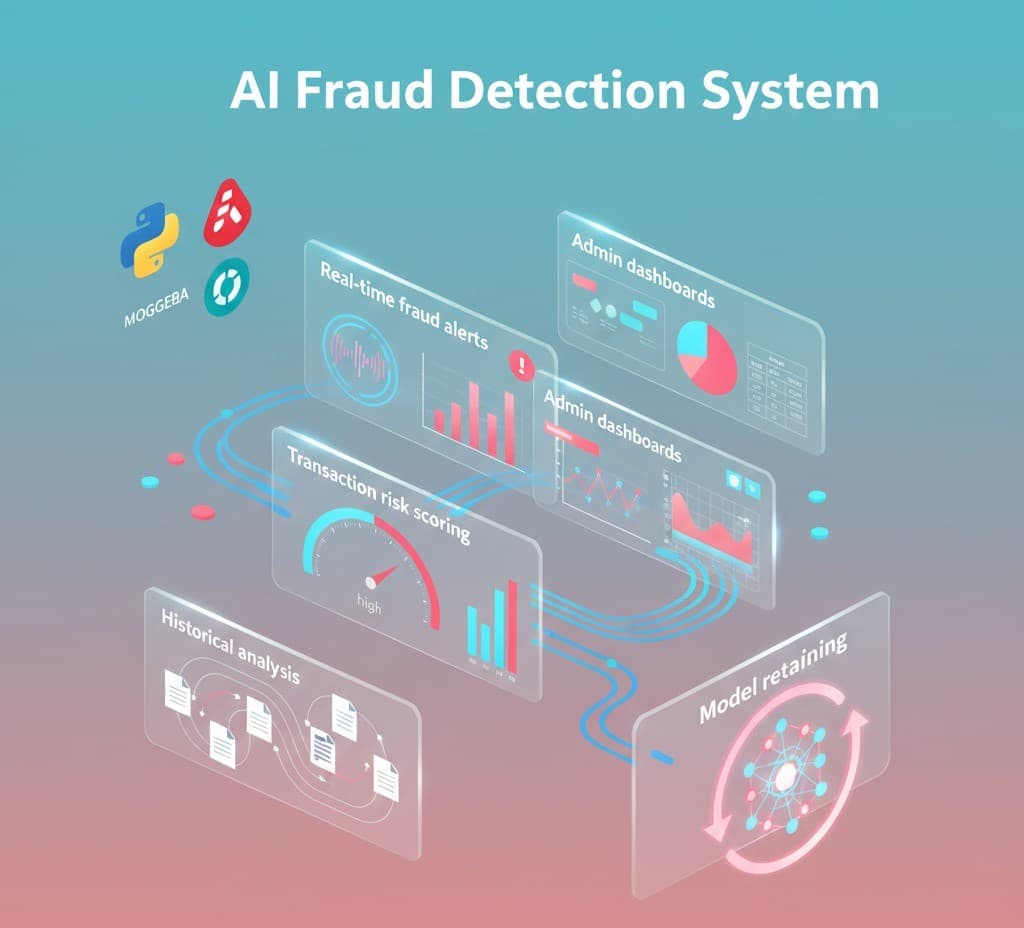
AI Fraud Detection System
A high-performance machine learning layer designed to identify and mitigate financial anomalies in real-time.

AI Online Exam Proctoring
A computer vision-powered integrity platform for secure remote assessments and certification.